In today’s hotel digitalization, front desk teams are increasingly overwhelmed, driving the adoption of automation tools. However, there is a critical confusion between what a hotel chatbot does and what an AI virtual assistant can achieve.
This distinction is not semantic—it’s operational. Choosing the wrong technology directly impacts NPS and staff workload. In this article, we break down the technical differences and explain why the industry is shifting toward advanced conversational systems.
What is a hotel chatbot?
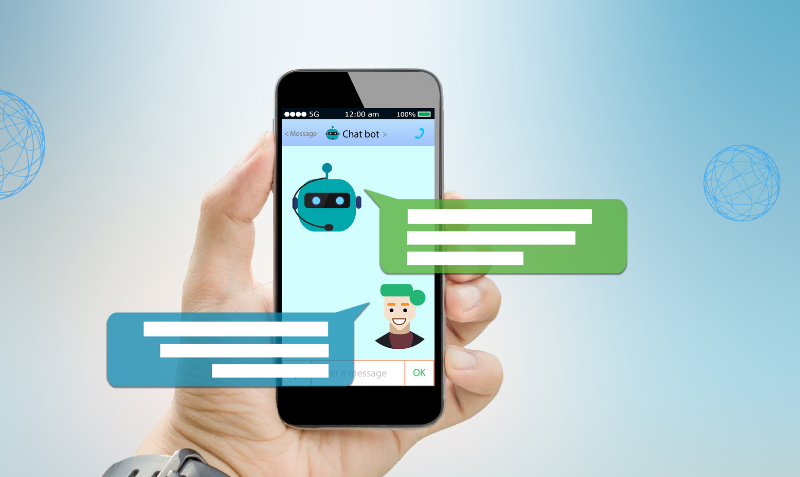
A hotel chatbot is a tool that automatically responds to guest messages using predefined answers. It does not think or interpret—it simply detects specific keywords or options and returns a programmed response.
These systems are typically built on decision trees or rule-based flows, where each possible question must be anticipated and manually configured in advance.
In practice, it works like a response menu. Guests must select options or use very specific wording to get the right answer. If the guest doesn’t use the expected terms or asks something outside the predefined flow, the bot may fail to respond or provide irrelevant information.
This limitation often leads to frustration and requires human intervention to resolve the request.
What is a hotel chatbot used for?
A hotel chatbot is mainly used to automate basic guest communication, providing instant replies to frequently asked questions without involving the staff.
Common use cases include sharing information about check-in and check-out times, Wi-Fi access, hotel services, or general policies. This can help reduce response times and handle simple, repetitive inquiries efficiently.
However, its main limitation is rigidity. Since it depends on fixed flows and predefined responses, it cannot adapt to unexpected questions or understand the context of a conversation.
As a result, interactions often feel unnatural, generic, and impersonal. This can negatively impact the guest experience, especially in a service-driven industry like hospitality, where personalization and empathy are key.
What is an AI virtual assistant?
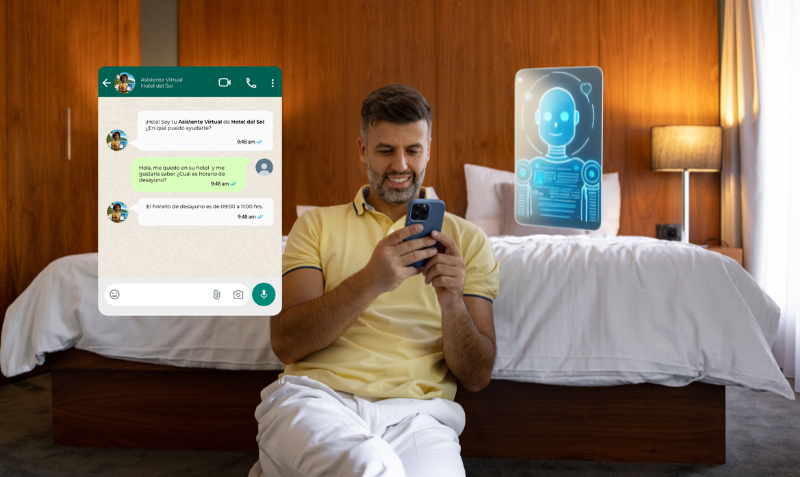
Unlike a traditional chatbot, an AI virtual assistant uses Natural Language Processing (NLP) to understand context and the real intent behind each message, regardless of how it is phrased.
It doesn’t just read keywords—it understands what the guest actually needs. This allows it to handle more complex, open-ended conversations and provide accurate, relevant responses in real time.
An AI virtual assistant can also adapt to different communication styles, languages, and guest profiles, making each interaction feel more natural and personalized. Instead of following rigid scripts, it continuously learns from interactions, improving its ability to resolve requests and anticipate guest needs over time.
In a hotel environment, this means smoother communication, faster resolution times, and a significant reduction in repetitive tasks for the staff.
What is an AI virtual assistant used for?
It enables more natural and human-like communication, resolves complex requests, and significantly reduces operational workload.
This improves guest experience, as users feel better understood. According to Oracle, 73% of people prefer hotels that use technology to reduce interactions with staff.
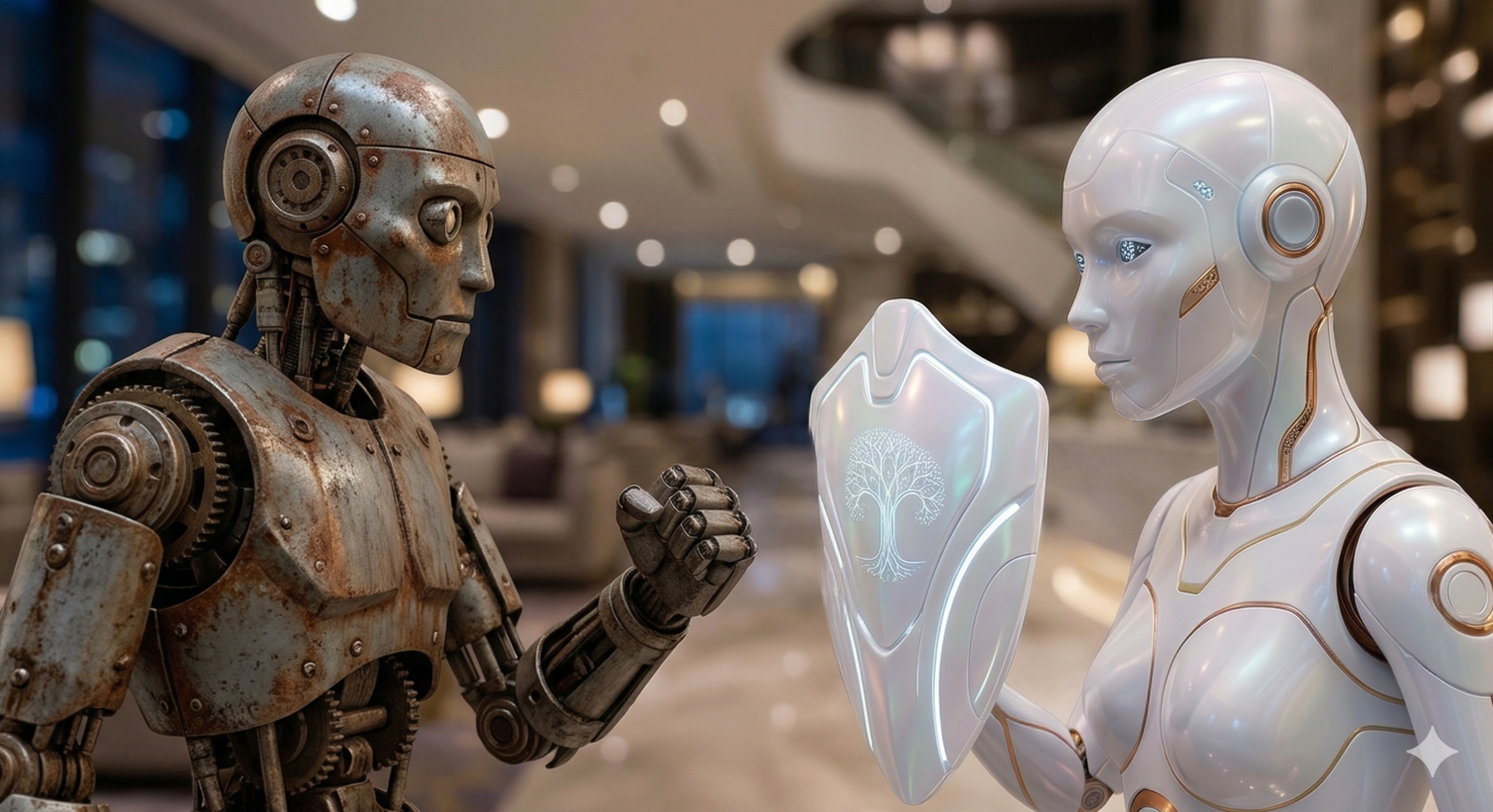
Key differences between hotel chatbots and AI assistants
1. Understanding capability (intent vs. keywords)
While a hotel chatbot relies on exact keyword matching to trigger a response, an AI assistant analyzes the entire sentence. If a guest asks, “What time can I eat tomorrow?”, the AI understands they are referring to breakfast or the restaurant, while a basic bot may fail if it doesn’t detect the exact word “schedule.”
2. Real automation vs. predefined responses
An AI virtual assistant can execute actions and personalize interactions based on the guest profile (name, room, language). A chatbot is limited to repeating information from a static database.
3. Operational scalability
An AI-powered virtual assistant allows you to manage hundreds of conversations simultaneously across different languages with the same level of accuracy—something impossible to scale with a human team or with bots that require constant manual maintenance of decision flows.
Why hotel chatbots are no longer enough
Today’s guests expect instant, relevant answers. According to Gartner, 80% of organizations will use AI agents by 2028.
In this context, continuing to operate with a traditional hotel chatbot is not only insufficient—it begins to create more friction than value in the guest experience.
This is clearly reflected in daily operations:
- Staff overload: When the chatbot fails, the operational burden falls back on the team. A modern AI virtual assistant reduces this workload in an effective and measurable way.
- Expectation of immediacy: Guests expect autonomy. If they don’t receive instant answers, the brand experience deteriorates even before arrival.
- Lack of natural interaction: In such a close communication channel, rigid bots feel cold, impersonal, and far from human. These chatbots break the experience and create friction.
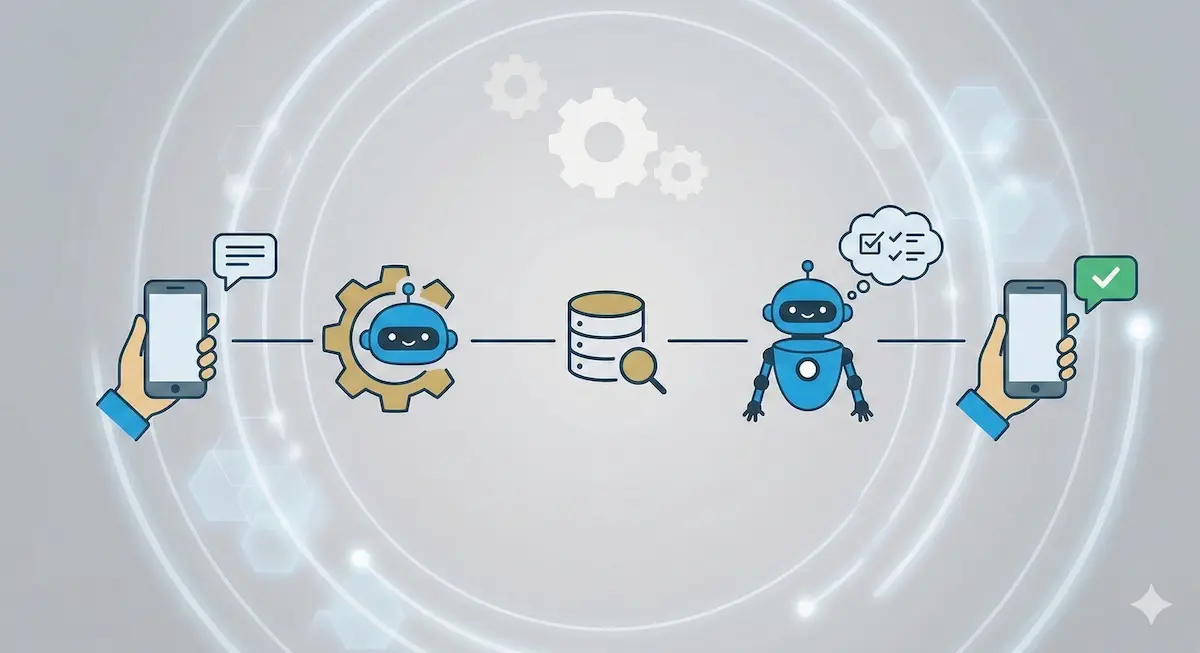
What should a modern hotel communication system include?
If you want to improve guest satisfaction, the starting point is clear: communication.
Integration with hotel operations: PMS connectivity to identify the guest and their context in real time.
True message understanding: Systems that interpret guest intent, enabling more natural and fluid conversations.
Immediate and omnichannel support: Ability to respond across channels like WhatsApp while maintaining a consistent brand tone.
Operational workload reduction: Automate repetitive requests to free up staff for higher-value tasks.
In this context, tools like myHotel’s Concierge allow you to automate guest communication, respond in real time, and improve the experience without increasing staff.
Considering that AI in hospitality is expected to grow nearly 12% annually through 2031, replacing traditional chatbots with AI virtual assistants is not just modernization—it’s enabling your hotel to scale without hiring more staff for repetitive tasks.
Want to see how an AI virtual assistant works in practice? Discover everything Concierge can do for you.